BUILDING ON A LEGACY
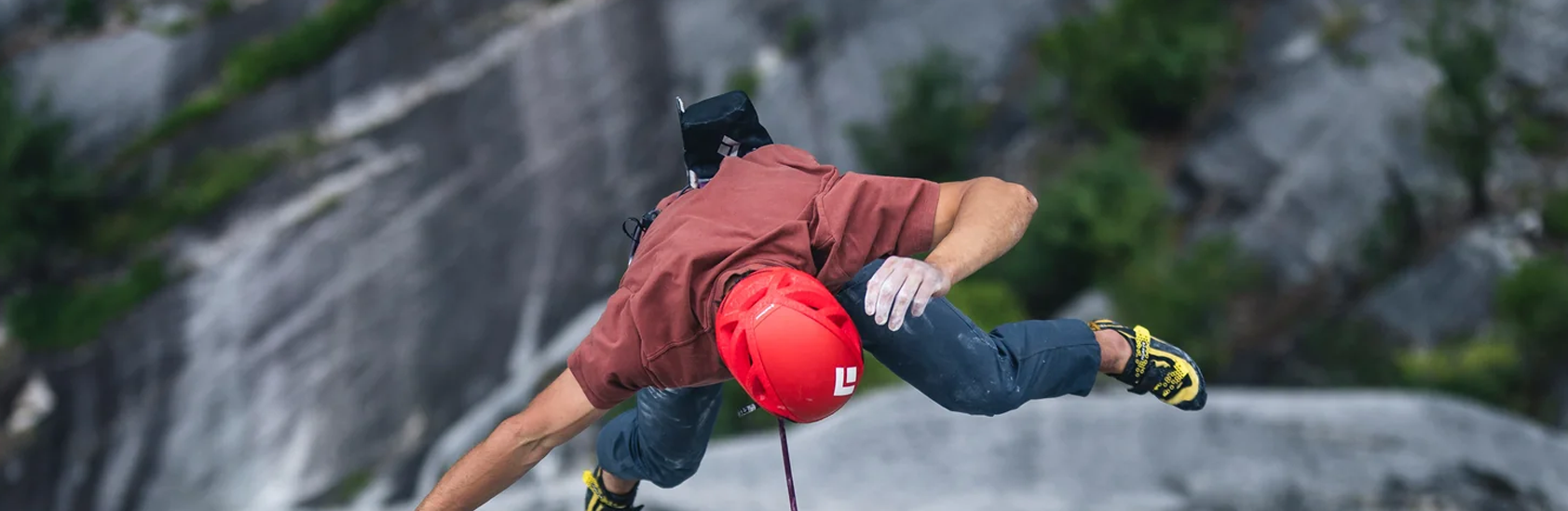
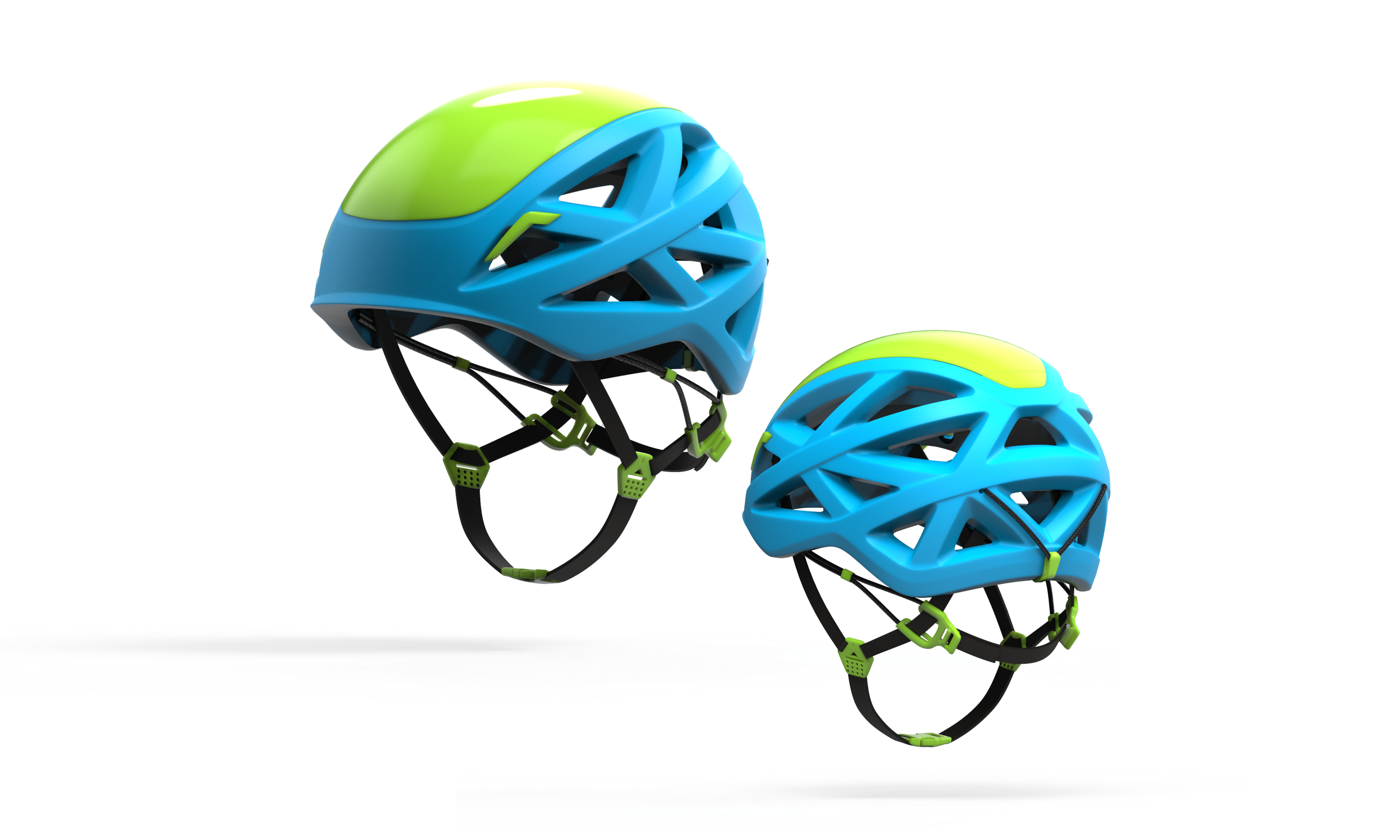
The original Vapor earned its place by doing something simple exceptionally well: get out of the climber’s way. Vapor 2 needed to preserve that same sense of lightness, low profile, and unobtrusive fit while establishing a new visual and technical identity.The intent was not to recreate the original, but to carry its principles forward. Every decision was evaluated against the same question: what made the Vapor great, and what can we do now that wasn’t possible then?The result is a helmet that feels unmistakably connected to the Vapor lineage, while its material architecture, adaptive fit system, and refined geometry establish Vapor 2 as an entirely new generation of climbing helmet.
The original Vapor had become a benchmark for lightweight climbing helmets. Creating its successor wasn't about improving a single feature—it required rethinking the entire system. Every decision was evaluated through five lenses: protection, fit, ventilation, material efficiency, and manufacturability. Improvements in one area often created compromises in another. The challenge was finding a solution that advanced all five simultaneously.
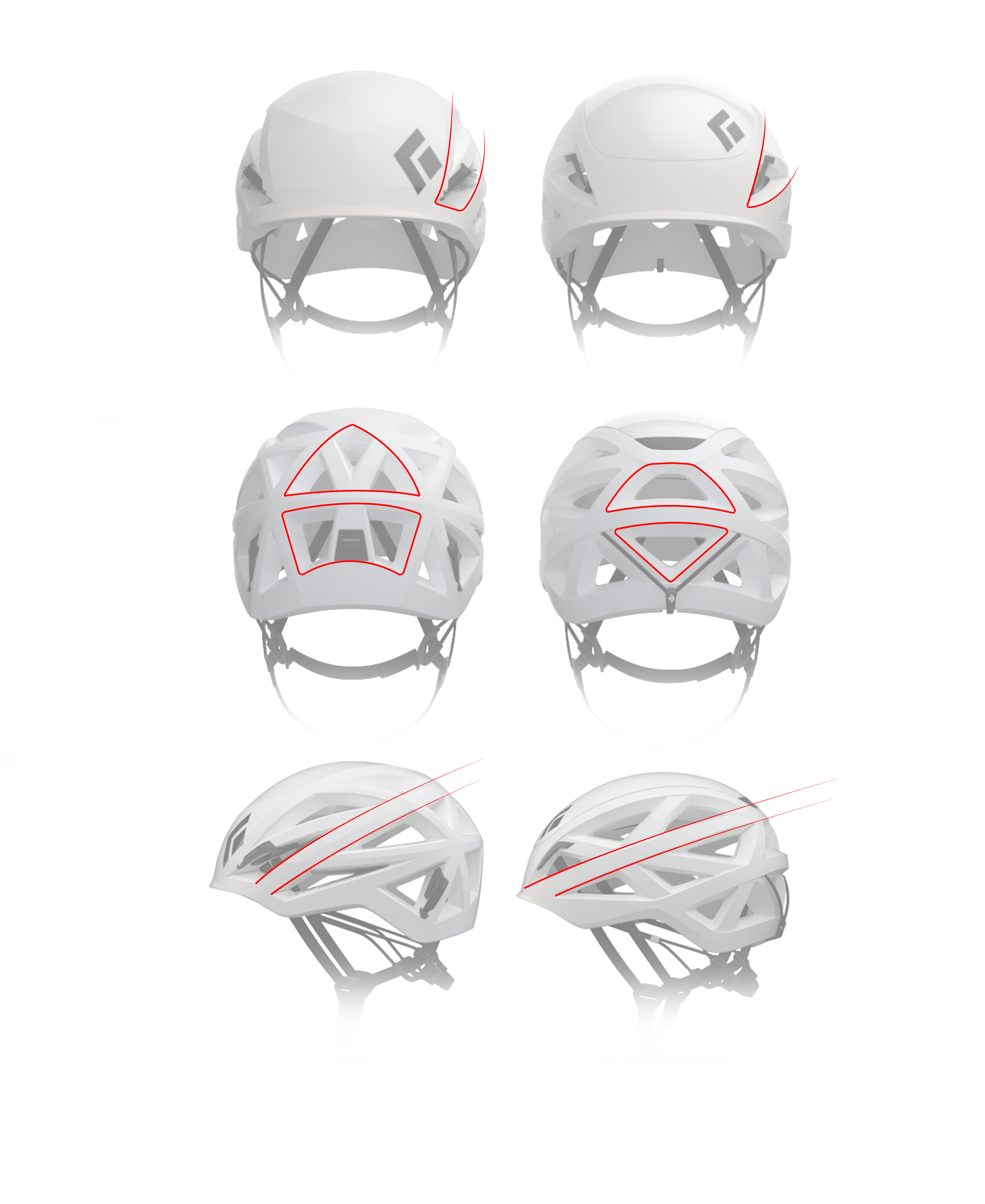
Styling -
The original Vapor had become a benchmark for lightweight climbing helmets. Creating its successor wasn't about improving a single feature—it required rethinking the entire system. Every decision was evaluated through five lenses: protection, fit, ventilation, material efficiency, and manufacturability. Improvements in one area often created compromises in another. The challenge was finding a solution that advanced all five simultaneously.
Styling -
THE SHELL
The starting point was a fundamental question: could we rethink the material architecture of a climbing helmet rather than simply optimize the existing one?
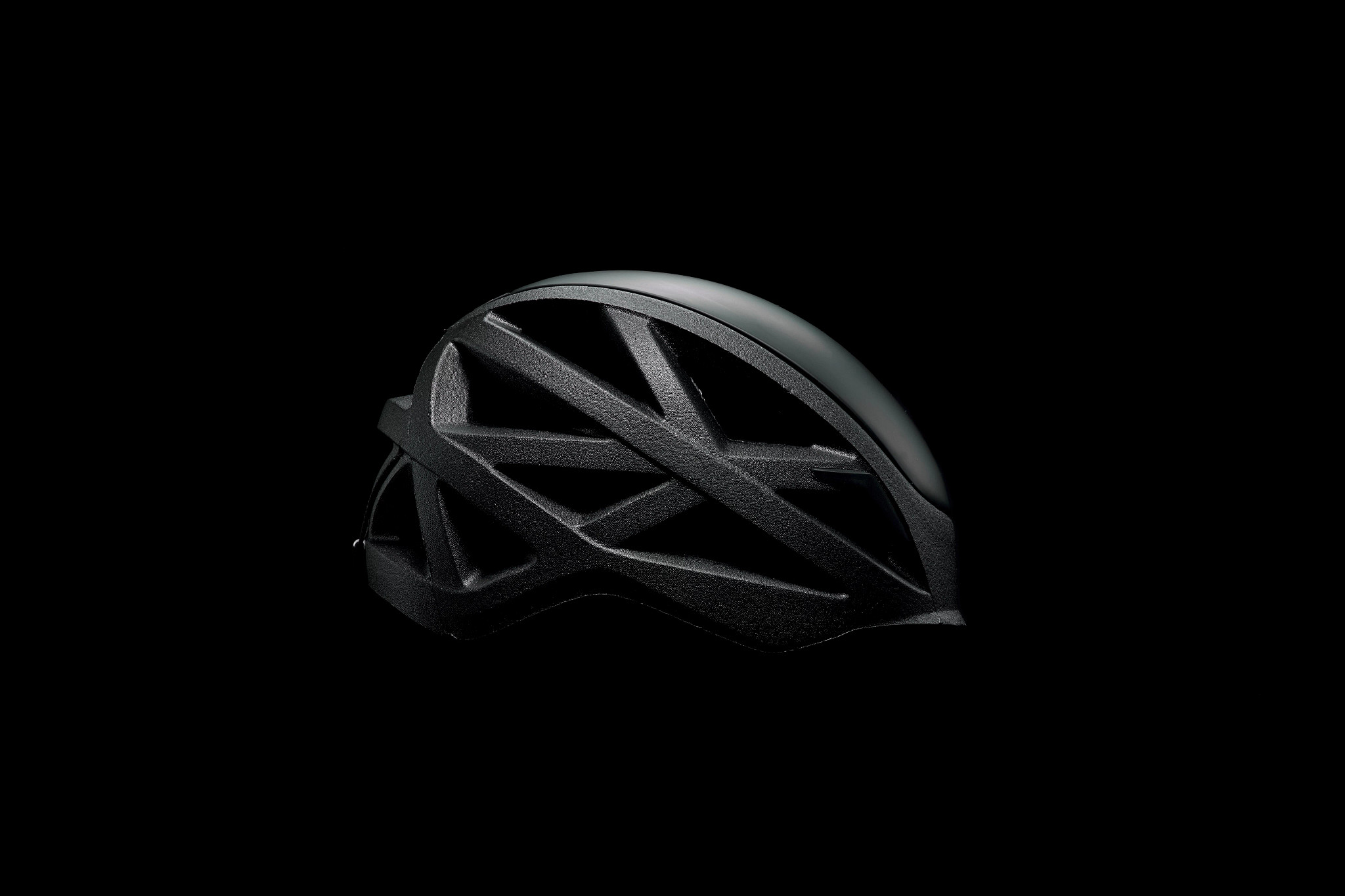
The conventional approach—an EPS foam core paired with a polycarbonate shell—was well understood. We explored alternatives and ultimately moved toward an EPP construction, opening up new possibilities for durability, impact performance, weight, and overall helmet architecture.
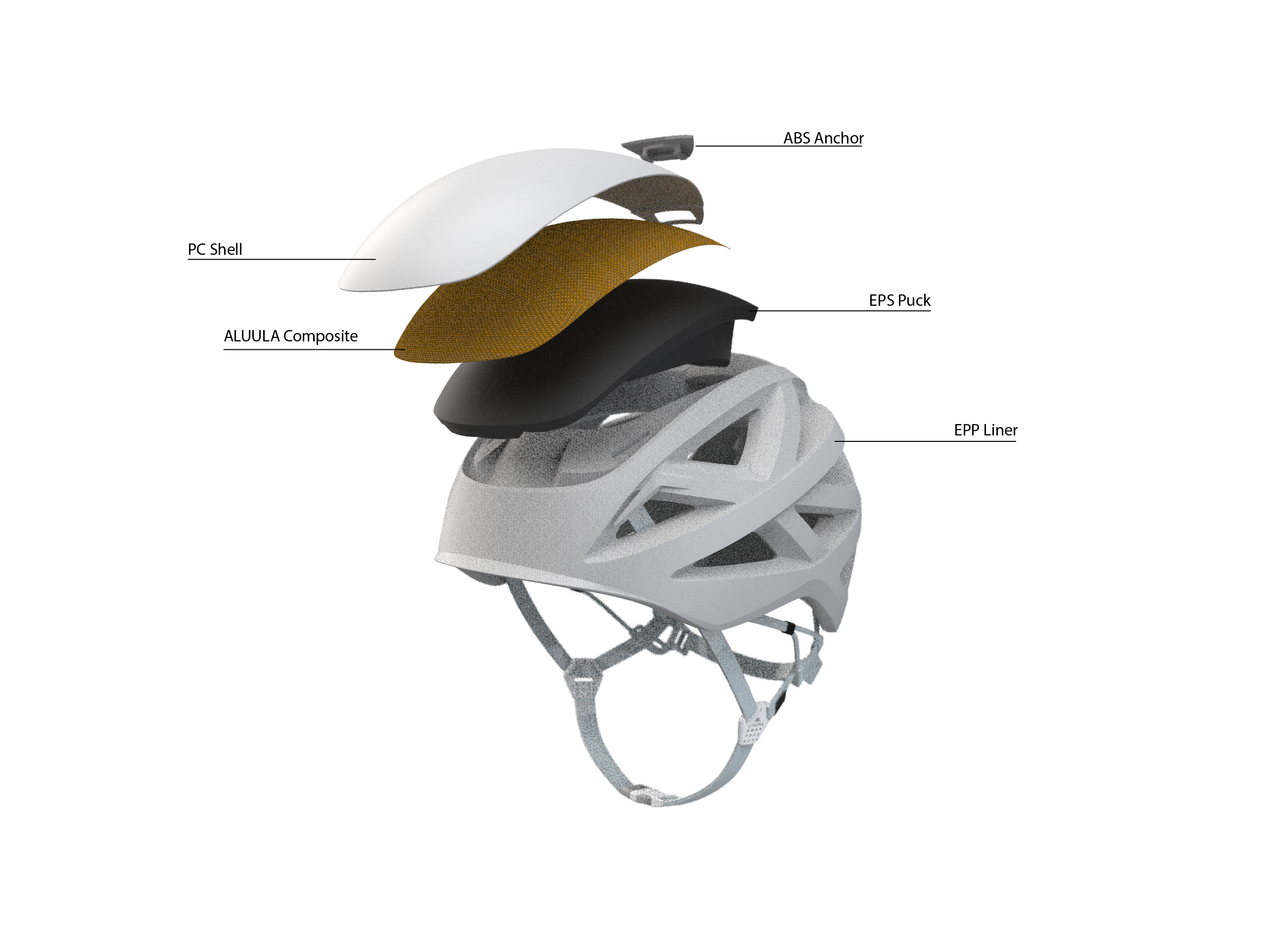
The final Vapor 2 architecture pushed that approach further. A polycarbonate outer shell was paired with a new ALUULA composite layer beneath the shell, creating a material system that had not previously been used in this way within the climbing helmet industry.Rather than treating each material independently, the helmet was designed around how the layers could work together—using each material for what it does best.
EPP CORE → ALUULA COMPOSITE → PC SHELL
The result was a fundamentally different approach to constructing a lightweight climbing helmet.
The conventional approach—an EPS foam core paired with a polycarbonate shell—was well understood. We explored alternatives and ultimately moved toward an EPP construction, opening up new possibilities for durability, impact performance, weight, and overall helmet architecture.
The final Vapor 2 architecture pushed that approach further. A polycarbonate outer shell was paired with a new ALUULA composite layer beneath the shell, creating a material system that had not previously been used in this way within the climbing helmet industry.Rather than treating each material independently, the helmet was designed around how the layers could work together—using each material for what it does best.
EPP CORE → ALUULA COMPOSITE → PC SHELL
The result was a fundamentally different approach to constructing a lightweight climbing helmet.
FIT WITHOUT COMPROMISE
The fit system was rethought around the anatomical variation that traditional helmet systems often struggle to accommodate.
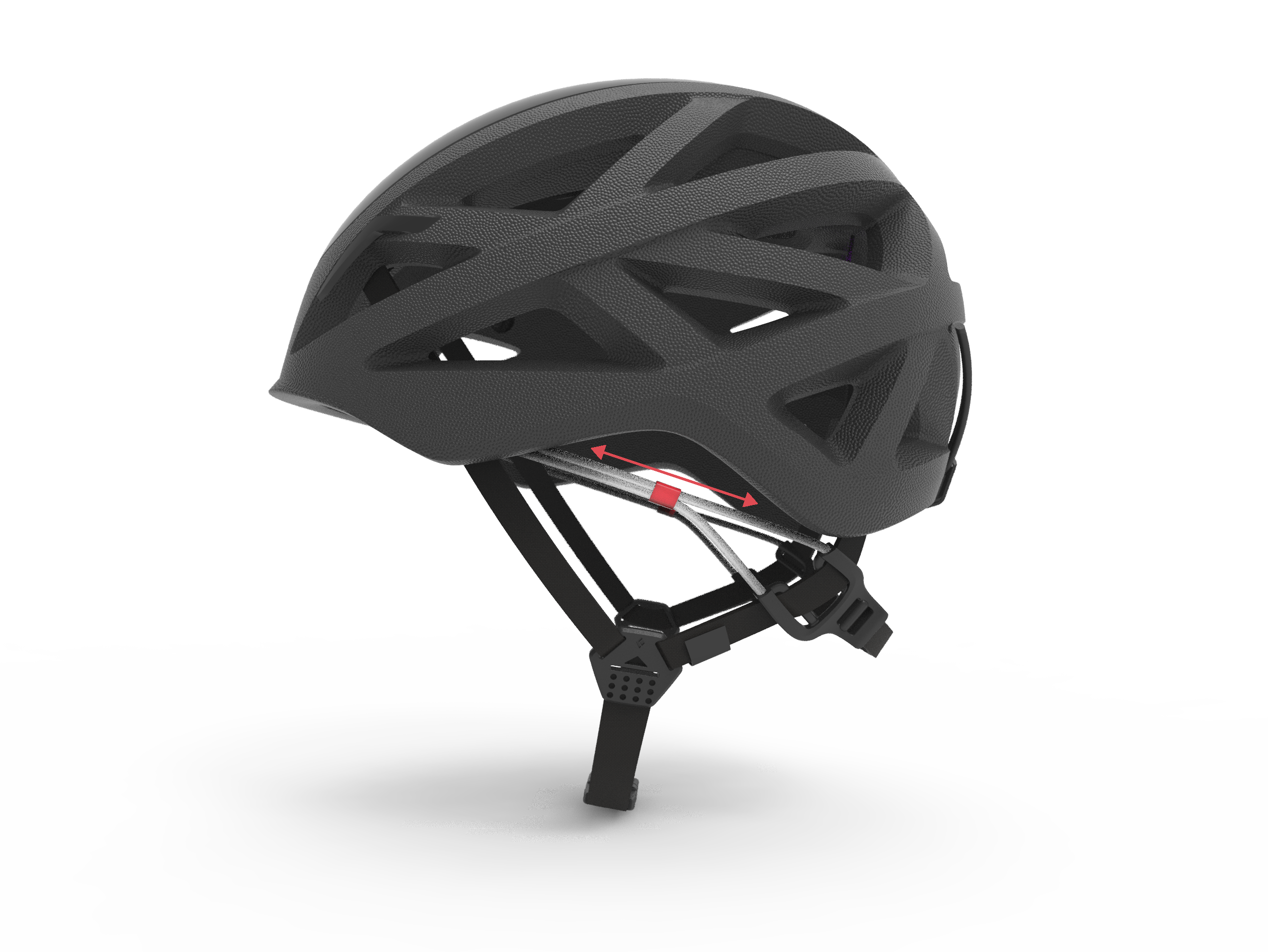
Rather than locking the adjustment points into fixed positions, I developed a system that could adapt to a wider range of ear sizes, locations, and head shapes. Movable grommets allowed the user to reposition the attachment points and fine-tune the fit in a way that was fundamentally different from conventional climbing helmet systems.
A flexible cable replaced much of the rigid structure typically used in helmet retention systems. This reduced weight while allowing the system to follow the natural contours of the head, creating a more continuous and unobtrusive fit.The result was a fit system designed around the individual, rather than asking the individual to adapt to the helmet.
Rather than locking the adjustment points into fixed positions, I developed a system that could adapt to a wider range of ear sizes, locations, and head shapes. Movable grommets allowed the user to reposition the attachment points and fine-tune the fit in a way that was fundamentally different from conventional climbing helmet systems.
A flexible cable replaced much of the rigid structure typically used in helmet retention systems. This reduced weight while allowing the system to follow the natural contours of the head, creating a more continuous and unobtrusive fit.The result was a fit system designed around the individual, rather than asking the individual to adapt to the helmet.

CAD Development
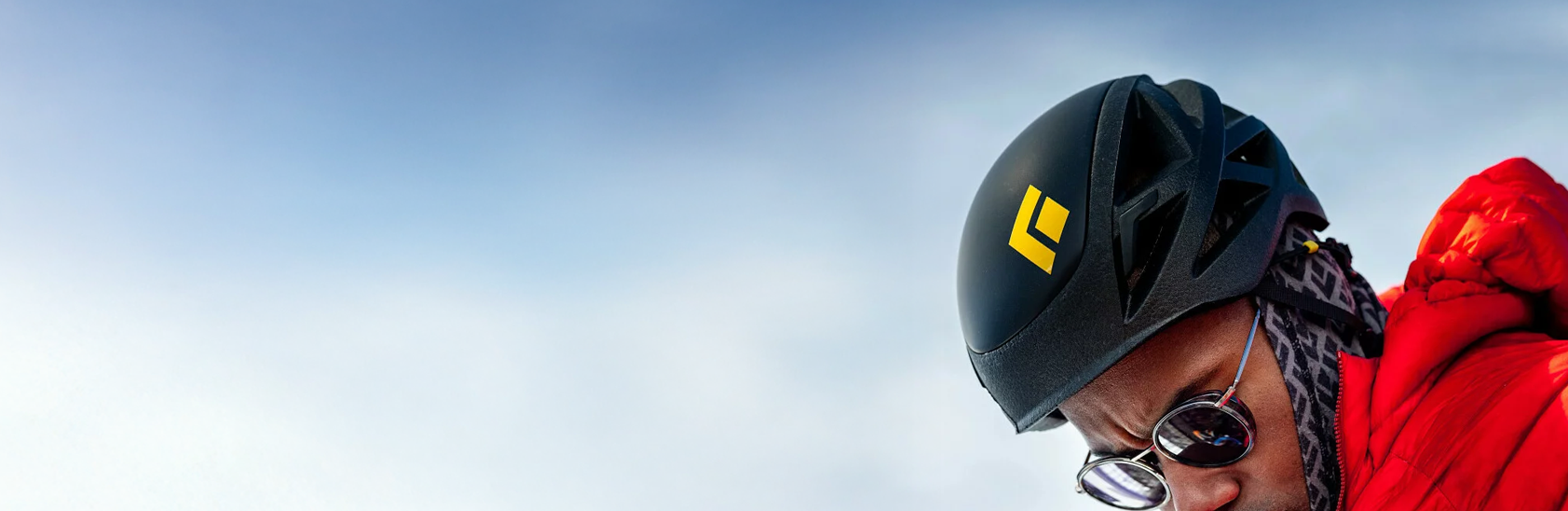
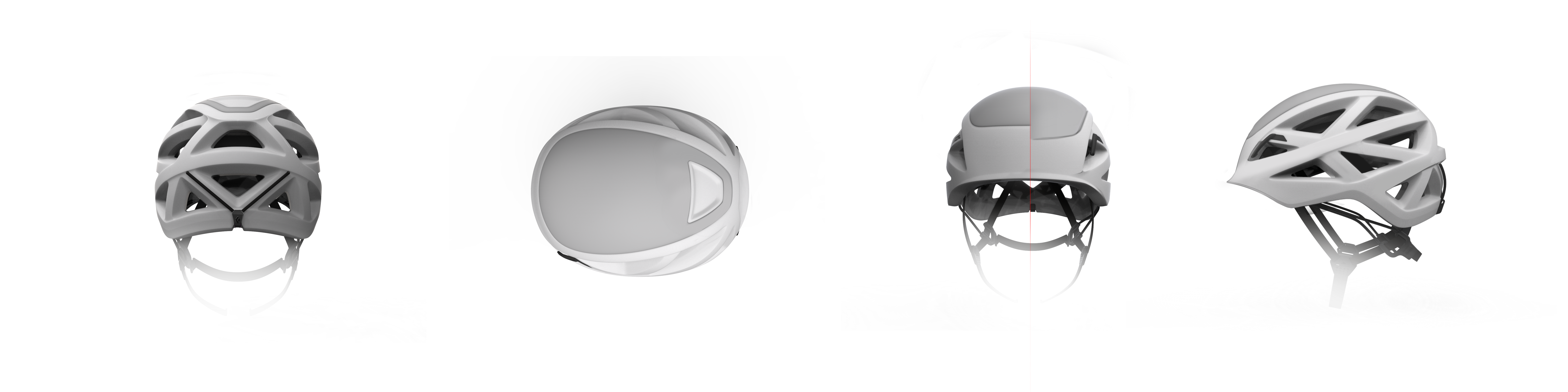
With the architecture established, CAD became the tool for bringing the entire helmet system together. The model was developed from the inside out, integrating the fit system, EPP core, composite layer, outer shell, and supporting plastic components into one cohesive assembly.
The fit system was developed alongside the helmet geometry, allowing attachment points, cable routing, grommets, and adjustment interfaces to be refined directly against the headform and shell.From the primary helmet surfaces down to the smallest molded components, each part was designed with both function and manufacturing in mind.
Parting lines, draft angles, wall thicknesses, interfaces, and assembly conditions were built into the model as the design evolved—moving the product from a conceptual surface model toward a production-ready system.The final CAD package became the foundation for prototyping, tooling, visualization, and manufacturing, ensuring that the same design intent carried through every stage of development.
The fit system was developed alongside the helmet geometry, allowing attachment points, cable routing, grommets, and adjustment interfaces to be refined directly against the headform and shell.From the primary helmet surfaces down to the smallest molded components, each part was designed with both function and manufacturing in mind.
Parting lines, draft angles, wall thicknesses, interfaces, and assembly conditions were built into the model as the design evolved—moving the product from a conceptual surface model toward a production-ready system.The final CAD package became the foundation for prototyping, tooling, visualization, and manufacturing, ensuring that the same design intent carried through every stage of development.
CMF exploration and finalization
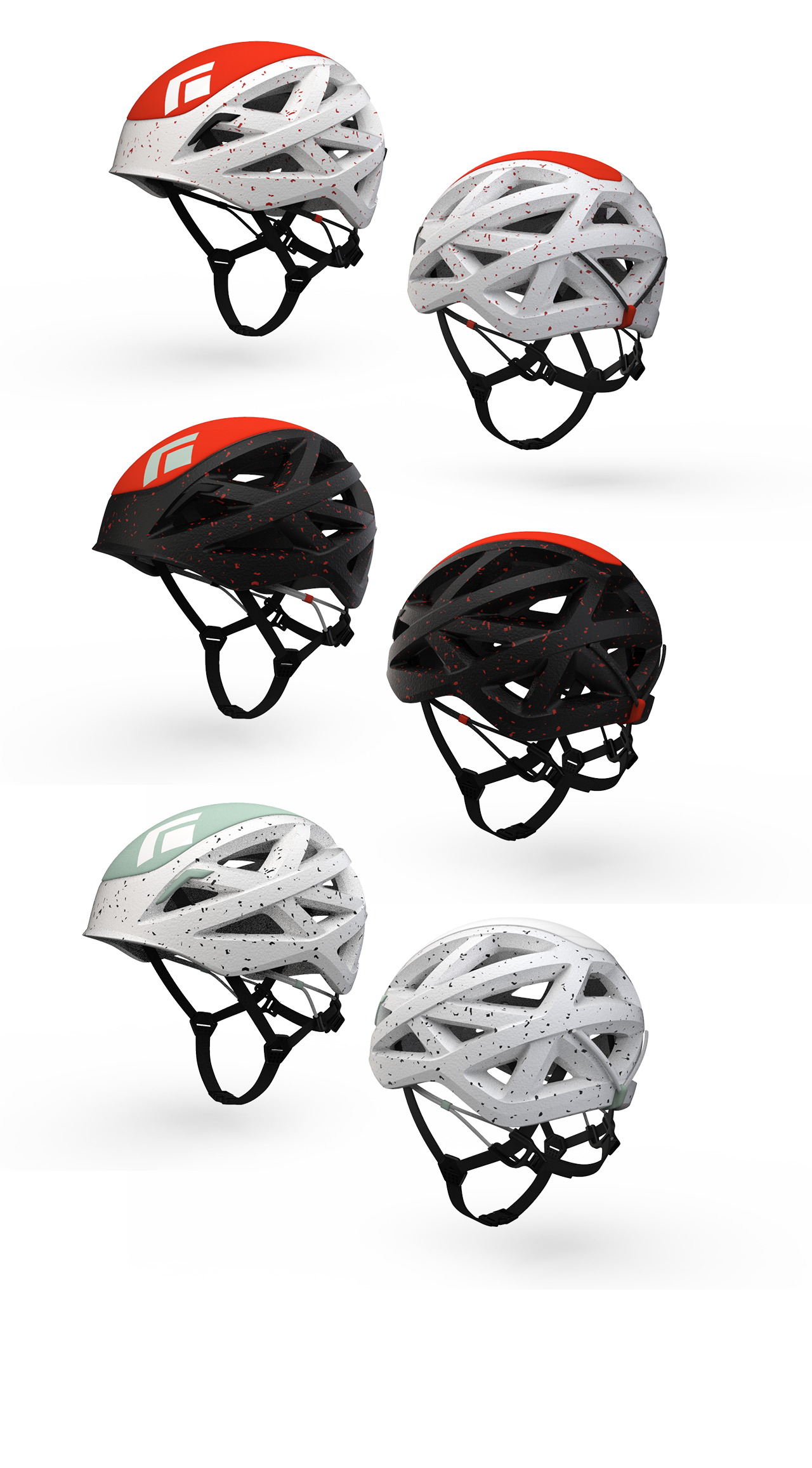
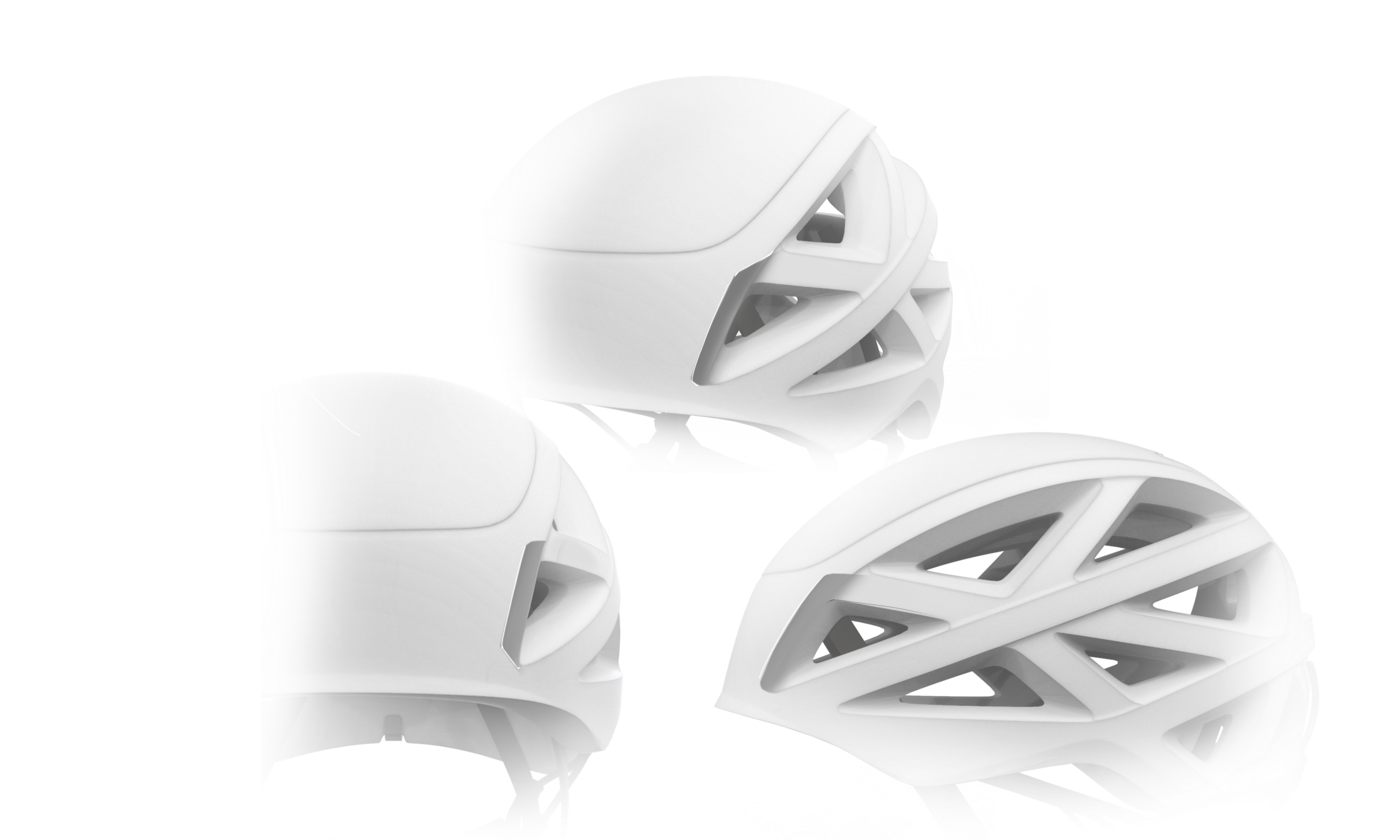
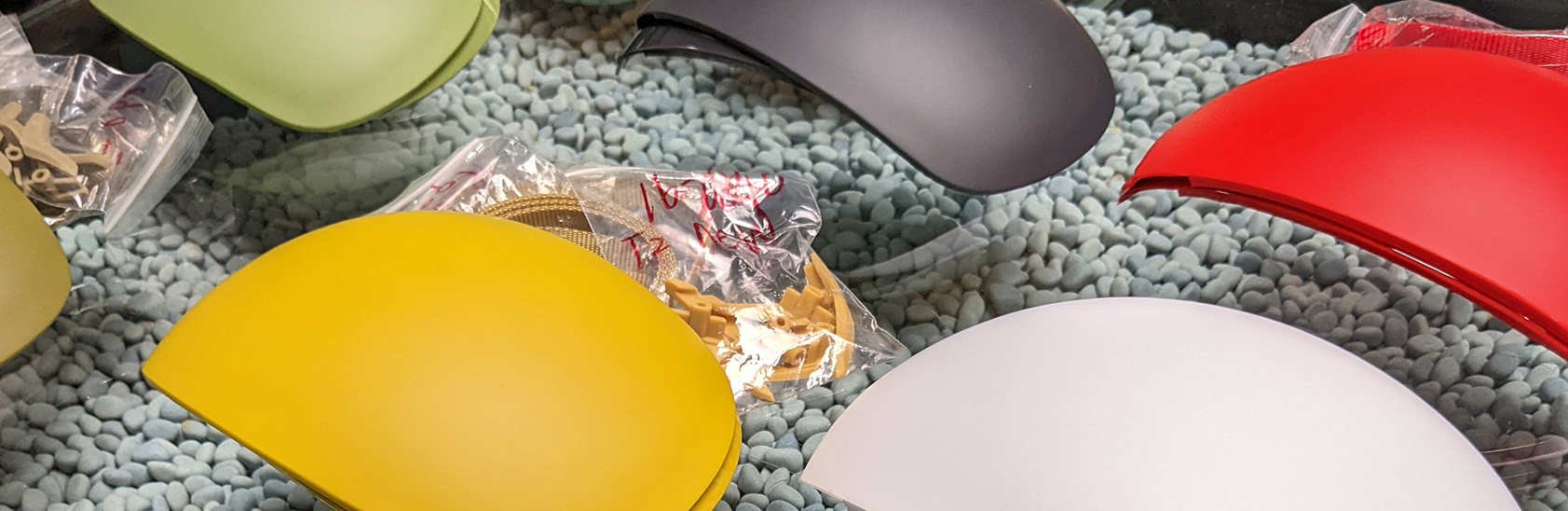
Taking on the graphics role for BD climb meant working directly with the factory on color approvals - but also exploring new opporunities in the space. From the bike industry, I had learned some progressive finishing techniques of layering and compositing materials and colors. Speckled foam was growing as a trend and we worked with vendors to push their abilities to explore new techniques and create opportunities for us in the space.